Navigating Pregnancy with Certainty: The Evolution, Science, and Power of NIPT
Expecting a child is a journey filled with profound anticipation, hope, and a natural desire to ensure the best possible start in life. In the past, gaining clear insights into a developing baby’s chromosomal health meant balancing a difficult trade-off between the diagnostic accuracy of invasive procedures and the safety of the pregnancy.
Today, advanced genomic engineering has shifted that paradigm. Non-Invasive Prenatal Testing (NIPT) has emerged as the global standard for first-line prenatal screening, allowing expectant parents to unlock deep genetic insights as early as the 10th week of pregnancy—safely, accurately, and with zero risk to the fetus.
What is NIPT and How Does It Work?
Non-Invasive Prenatal Testing (NIPT), sometimes referred to as NIPS (Non-Invasive Prenatal Screening), is an advanced screening blood test that analyzes fragments of extracellular DNA circulating in a pregnant woman‘s blood.
During pregnancy, the maternal bloodstream contains a mixture of cell-free DNA (cfDNA) arising from the mother’s own cells and cell-free fetal DNA (cffDNA), which sheds naturally from the placenta. The placenta mirrors the genetic makeup of the fetus, serving as a biological window into the baby‘s chromosomal blueprint.
The Molecular Screening Process
Instead of an invasive needle, the technology relies on a sophisticated laboratory sequence:
-
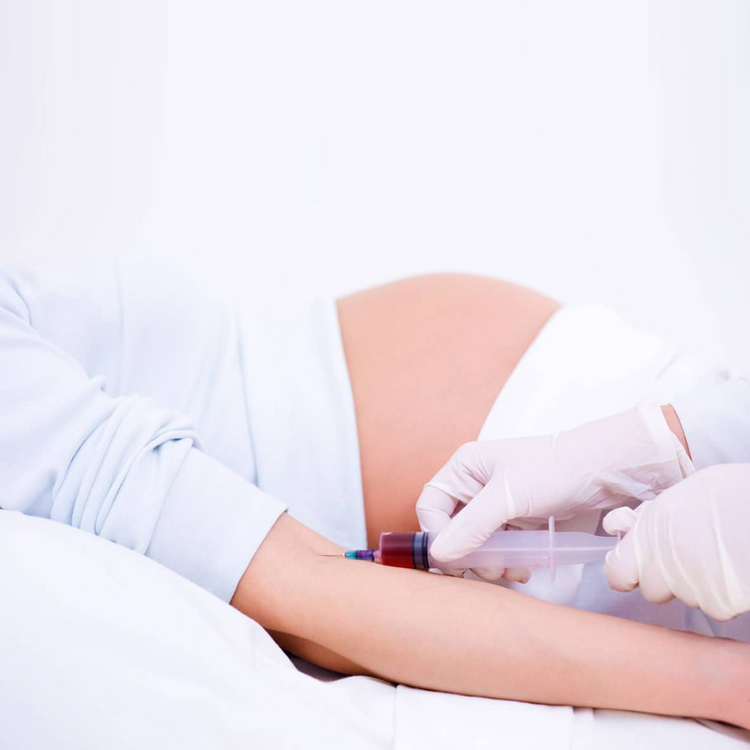
The Peripheral Draw: A simple blood sample is taken from the mother’s arm, containing both maternal and placental cfDNA.
-
Isolating the Fetal Fraction: The laboratory measures the percentage of cfDNA that originates from the placenta (known as the fetal fraction). This must typically be above 3.5% to 4% for a reliable read.
-
Next-Generation Sequencing (NGS): Using massive parallel sequencing technology, genomic platforms count and analyze millions of these DNA fragments.
-
Bioinformatic Quantification: Advanced algorithms map these fragments against a standard reference genome. If there is a statistical over-representation or under-representation of a specific chromosome, the system flags an elevated risk for a chromosomal abnormality.
Factors Influencing the "Fetal Fraction" (Essential for Parents)
For parents, understanding the fetal fraction is highly useful. If the fetal fraction is too low, the sequencing platform cannot confidently calculate a risk score, leading to a request for a retest. Several everyday biological factors can influence this:
-
Gestational Age: Fetal fraction increases by roughly 1% every week of pregnancy. Testing precisely at or after the 10-week mark ensures the optimal biological window for an accurate first-time draw.
-
Maternal Body Mass Index (BMI): Expectant mothers with a higher BMI naturally possess a larger volume of maternal blood. This dilutes the concentration of placental DNA, which can occasionally result in a lower initial fetal fraction.
-
Medications: Certain medications, specifically blood thinners like low-molecular-weight heparin (LMWH) frequently prescribed in early high-risk pregnancies, have been shown to transiently lower the fetal fraction.
The Historical Shift: From Invasive Risks to Molecular Precision
To appreciate the clinical utility of NIPT, it helps to understand how prenatal care has evolved. For decades, expectant parents and physicians had limited pathways to screen for chromosomal abnormalities:
| Era & Methodology | Clinical Approach | Limitations & Risks |
|
Traditional Serum Screens (Double, Triple, or Quadruple Markers) |
Measures specific hormone levels and proteins in maternal blood combined with nuchal translucency (NT) ultrasounds. | Higher rates of false positives and false negatives; estimates risk mathematically rather than analyzing fetal DNA directly. |
|
Invasive Diagnostic Tests (Amniocentesis & Chorionic Villus Sampling - CVS) |
Extracts amniotic fluid or placental tissue using a needle guided through the abdomen. | Diagnostic (near 100% accurate), but carries an inherent, stressful risk of procedure-related miscarriage (0.5% to 1%). |
|
The Molecular Era (NIPT Integration) |
Simple peripheral blood draw from the mother‘s arm starting at week 10. | >99% sensitivity for major trisomies; non-invasive, entirely safe, and reduces unnecessary invasive procedures by up to 94.8%. |
What Conditions Does NIPT Screen For?
NIPT focuses on identifying numerical chromosomal variations (aneuploidies) and structural microdeletions that significantly impact fetal development:
-
Trisomy 21 (Down Syndrome): The most common chromosomal aneuploidy, characterized by an extra copy of chromosome 21. NIPT boasts a sensitivity rate exceeding 99% for detecting Down Syndrome.
-
Trisomy 18 (Edwards Syndrome): Associated with severe developmental delays and structural abnormalities.
-
Trisomy 13 (Patau Syndrome): Linked to complex congenital conditions and severe neurological challenges.
-
Sex Chromosome Aneuploidies: Deviations in the standard pair of sex chromosomes, such as Turner Syndrome (45,X) or Klinefelter Syndrome (47,XXY).
-
Microdeletions & Copy Number Variants (CNVs): Sub-chromosomal structural changes where tiny pieces of a chromosome are missing, which can trigger specific genetic syndromes.
Note on Regulatory Compliance: In strict accordance with the Pre-Conception and Pre-Natal Diagnostic Techniques (PCPNDT) Act of India, Mapmygenome does not disclose, report, or determine the sex of the fetus. The focus of this screening is exclusively on clinical health and developmental wellness.
Technical Insights for Providers: Understanding Discordant Results
While modern NIPT boasts a specificity greater than 99%, clinicians understand that no cfDNA screening can achieve 100% predictive certainty due to the underlying biology of the maternal-fetal interface. When a discordant result occurs (a discrepancy between NIPT screening and diagnostic testing), it is usually driven by specific biological phenomena rather than technological error:
-
Confined Placental Mosaicism (CPM): This occurs when a chromosomal abnormality is present strictly in the cells of the placenta (which NIPT sequences) but the fetus itself develops with a completely normal chromosomal complement.
-
Vanishing Twin Syndrome: If a twin gestation undergoes early spontaneous reduction (the demise of one fetus), the apoptotic tissue of the non-viable sac can continue to shed cfDNA into the maternal circulation for weeks, potentially skewing the screening results for the surviving fetus.
-
Maternal Copy Number Variations (CNVs) or Malignancy: Because NIPT processes the total pool of cell-free DNA in the maternal blood, underlying maternal genetic features—such as benign maternal duplications/deletions or, in rare cases, asymptomatic maternal conditions—can mimic a fetal aneuploidy flag.
Who Should Get Tested?
While major medical societies globally—including the American College of Obstetricians and Gynecologists (ACOG)—recommend that NIPT be offered as an option to all pregnant women regardless of baseline risk, it is highly recommended under the following clinical circumstances:
-
Advanced Maternal Age: Expectant mothers who will be 35 years or older at the time of delivery, as the biological probability of chromosomal nondisjunction increases with age.
-
Abnormal Preliminary Screenings: If a traditional biochemical marker test (such as a double or quadruple marker screen) or an early ultrasound indicates an atypical finding (e.g., increased Nuchal Translucency).
-
Prior Pregnancy History: Families who have experienced a previous pregnancy affected by a trisomy or structural chromosomal anomaly.
-
Family History: A known history of balanced chromosomal translocations or specific genetic conditions within either parent‘s lineage.
Introducing BabyMap: Mapmygenome’s Advanced NIPT Solution
At Mapmygenome, we bridge the gap between complex molecular sequencing and compassionate, proactive maternal care. Our dedicated prenatal screening platform, BabyMap (NIPT), delivers clinical precision directly to your prenatal care strategy.
Why Choose BabyMap?
-
Unparalleled Accuracy: Built on robust Next-Generation Sequencing (NGS) protocols to achieve greater than 99% sensitivity and specificity for primary trisomies.
-
Early Insights: Validated for performance as early as 10 weeks of gestation, providing answers at a critical stage when proactive care planning is most accessible.
-
Safe and Non-Invasive: Requires a simple 10 ml peripheral maternal blood draw, completely eliminating the miscarriage risks associated with traditional needle-based extraction methods.
-
Rapid Turnaround Time: Comprehensive, easy-to-read clinical reports delivered directly to your healthcare provider within 2 weeks.
The Clinical Workflow: Step-by-Step Integration
For obstetricians and gynecologists, seamlessly integrating modern genomics into standard workflows ensures optimal patient management. Mapmygenome streamlines this process from sample to action:
-
Step 1: Eligibility Assessment: Confirm the pregnancy has reached a minimum gestational age of 10 weeks.
-
Step 2: Regulatory Compliance: Document informed consent and complete the mandatory Form-G along with the Test Requisition Form (TRF).
-
Step 3: Sample Collection: Draw a 10ml peripheral blood sample into a specialized cell-free DNA stabilizing tube.
-
Step 4: Genomic Analysis: Mapmygenome labs execute automated NGS sequencing and apply bioinformatic risk-scoring models.
-
Step 5: Clinical Reporting & Action: Reports are generated within 14 days.
-
If Low Risk: Standard prenatal monitoring and routine ultrasounds continue.
-
If High Risk: A mandatory recommendation for invasive diagnostic confirmation (Amniocentesis or CVS) is initiated, paired with comprehensive genetic counseling.
-
Empowering Your Results: Complimentary Genetic Counseling
A genetic screening report is only as valuable as the clarity it brings. Because NIPT is a highly accurate screening test rather than a definitive diagnostic tool, navigating the numbers, probabilities, and next steps requires expert guidance.
Mapmygenome believes that no expectant parent should read a genetic report alone. Every BabyMap test comes with a complimentary, one-on-one genetic counseling session with our certified clinical geneticists.
Our counselors sit with you and your healthcare provider to translate the sequencing data, alleviate anxiety, and outline clear path options tailored exactly to your family’s unique biological timeline.
Frequently Asked Questions (FAQs)
Is NIPT a diagnostic test?
No. NIPT is a highly advanced screening test. It measures the statistical probability or risk of a chromosomal condition with incredible accuracy (>99%). If an NIPT returns a "High Risk" or positive result, clinical protocol dictates validating the finding via a definitive diagnostic test like Amniocentesis before making any definitive medical decisions.
How much does an NIPT test cost in India?
The cost of an NIPT test in India typically ranges around ₹15,000, depending on the specific depth of the panel chosen (e.g., basic trisomies versus comprehensive microdeletion screening).
What documents are required before booking a BabyMap test?
In compliance with Indian medical regulations under the PCPNDT Act, a completed Form-G signed by your referring obstetrician/gynecologist and a standard Test Requisition Form (TRF) are mandatory before sample collection can proceed.
Can NIPT be performed for twin or IVF pregnancies?
Yes. Specialized NIPT protocols are fully validated to assess risks in twin gestations and pregnancies achieved via In Vitro Fertilization (IVF). Be sure to share these details with your counselor so the appropriate bioinformatic algorithm can be deployed.
How does BabyMap perform regarding False Positive Rates (FPR)?
Our advanced NGS platform minimizes noise by utilizing deep-coverage sequencing and proprietary algorithmic mapping, keeping the False Positive Rate for Trisomies 21, 18, and 13 below 0.1%. This drastically minimizes parental anxiety and unnecessary diagnostic interventions.
What is the protocol if a sample yields an insufficient fetal fraction?
In the rare event of a "low fetal fraction" call, Mapmygenome does not issue a compromised report. Instead, we immediately coordinate a complimentary second sample collection 1–2 weeks later, allowing the natural progression of gestational age to increase cffDNA concentration to diagnostic thresholds.
Clinical References
-
ACOG Practice Bulletin No. 226: Screening for Fetal Chromosomal Abnormalities. American College of Obstetricians and Gynecologists; Society for Maternal-Fetal Medicine (2020).
-
Kostenko, E., et al. (2019): Clinical and Economic Impact of Adopting Noninvasive Prenatal Testing as a Primary Screening Method for Fetal Aneuploidies. Fetal Diagnosis and Therapy, 45(6), 413-423.
-
Hou, Y., et al. (2019): Factors affecting cell-free DNA fetal fraction: statistical analysis of 13,661 maternal plasmas for non-invasive prenatal screening. Human Genomics, 13(62).